Stock markets tumble over 1% on intensifying West Asia conflict, rising oil prices
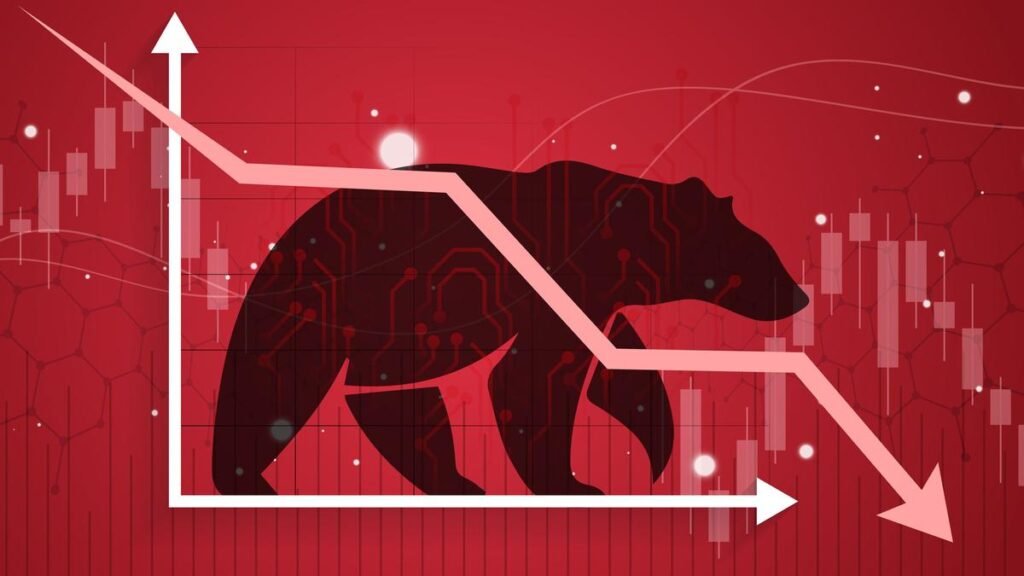
The global and Indian stock markets recently had a fall of more than 1%. This mainly happened because of the increasing conflict in West Asia and the quick rise in crude oil prices. The main stock market indices BSE Sensex and NSE Nifty 50 went down a lot. This was because investors were worried about the conflict, problems with oil supply and the fear of rising inflation.
This event shows how geopolitics, energy markets and what investors think are all connected in the economy.
### 1. Overview of the Market Decline
stock markets fell during trading. This happened because tensions in West Asia got worse.
* The BSE Sensex fell 964 points or about 1.26%.
* The Nifty 50 dropped about 333 points or 1.41%.
Many sectors like banking, metals and automobiles were badly affected.
Some major companies like Larsen & Toubro Tata Steel and Axis Bank saw their stock prices go down.
Some defensive stocks like consumer goods and telecom companies did okay.
This was the day in a row that the market was down. Investors were getting more and more worried.
### 2. The West Asia Conflict: Background
The market decline is linked to the increasing tensions between Iran, Israel and other countries in the region.
Some key things that happened:
* There were clashes and attacks on energy infrastructure.
* There were threats to block oil shipping routes.
* Global powers like the United States got involved.
The Strait of Hormuz is an important shipping route. 20% Of the worlds oil supply goes through it.
If this route is disrupted global oil supplies could go down sharply. This could cause problems.
### 3. Oil Prices Surge Above $100
The conflict caused global crude oil prices to rise sharply.
Some recent developments:
* Brent crude oil went above $100 per barrel.
* There were supply disruptions because of attacks on tankers and infrastructure.
If the war reduces oil supply by up to 8 million barrels per day it could have a huge impact.
### 4. Why Rising Oil Prices Hurt Stock Markets
Higher oil prices hurt economies and businesses.
* They increase production costs.
* They cause inflation.
* They reduce consumer spending.
This can lead to economic growth and recession risks.
### 5. Why India Is Particularly Affected
India imports over 80% of its oil requirements. So rising oil prices increase Indias import bill.
The rupee also weakens against the US dollar. This makes inflation worse.
### 6. Impact on Global Financial Markets
The turmoil is not just in India. Stock markets around the world were affected.
* US stock indices like the Dow Jones and S&P 500 went down sharply.
* Asian markets like Japan, South Korea and China also fell.
### 7. Investor Behavior During Geopolitical Crises
When geopolitical tensions rise investors usually move their money to assets like gold and US Treasury bonds.
They also prefer sectors like consumer staples and healthcare.
### 8. Sector-Wise Impact on the Stock Market
sectors react differently to oil price shocks.
* Aviation and automobile sectors are badly affected.
* Oil marketing companies and logistics companies also face challenges.
### 9. Impact on Inflation
oil prices increase inflation through many channels.
* They increase fuel prices, transportation costs and food prices.
### 10. The Strategic Importance of the Strait of Hormuz
The Strait of Hormuz is very important for oil supply.
If it is blocked global oil supply would shrink dramatically.
### 11. Government and International Responses
Governments and global institutions are trying to stabilize markets.
* The International Energy Agency (IEA) released emergency oil reserves.
* Central banks are monitoring inflation risks.
### 12. Impact on the Economy
The crisis affects India in many ways.
* Higher fuel. Rising inflation.
* Rupee. Fiscal pressure.
### 13. Historical Comparison
This situation is similar to global crises like the 1973 oil crisis and the 1990 Gulf War.
### 14. Possible Future Scenarios
Economists suggest possible outcomes.
* If diplomatic solutions emerge oil prices may. Stock markets may recover quickly.
* If fighting continues oil prices could rise sharply. Global inflation could increase.
### 15. What Investors Should Watch
Investors should closely monitor crude oil prices, geopolitical developments and central bank policies.
Any news in these areas can move markets sharply.
The fall in stock markets shows how connected geopolitics, energy markets and financial systems are.
The crisis in West Asia pushed prices above $100 per barrel. This triggered investor anxiety.
India is particularly vulnerable because it imports a lot of oil. This can weaken the rupee. Increase inflation.
Governments and global institutions are trying to stabilize the situation.. Markets remain sensitive, to every new development.
The future of stock markets will depend on whether tensions ease or escalate further.