Stocks slide, oil gains with Mideast ceasefire prospects centre stage
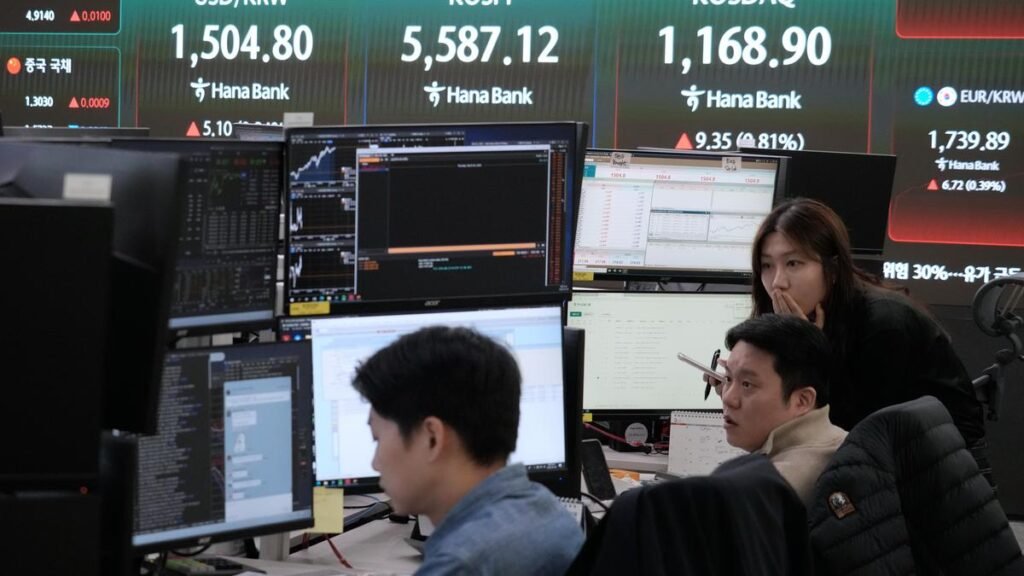
The headline “Stocks slide, oil gains with Mideast ceasefire prospects centre stage” shows a moment of global financial uncertainty. This happens when geopolitics, conflict in the Middle East directly influences financial markets.
Lets break it down:
1. Background: Whats happening in the Middle East?
The current market mess is rooted in a geopolitical crisis involving conflict between the U.S., Israel and Iran. This has escalated into a regional war.
Some key things to know:
– Military conflict has disrupted oil supply routes.
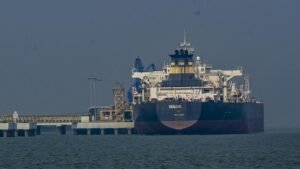
– The Strait of Hormuz an oil transit route has been severely affected.
– Iran is reviewing a U.S. Ceasefire proposal. Denying formal talks.
– Conflicting statements from both sides are creating uncertainty.
This matters because 20% of global oil supply passes through the Strait of Hormuz. Any disruption instantly affects energy prices and inflation.
2. Why are stocks sliding?
Stock markets around the world are falling due to uncertainty, rising costs and economic fear.
* Uncertainty about ceasefire: Markets hate uncertainty more than news. The U.S. Says Iran is ready for a deal. Iran denies negotiations. This contradiction creates confusion. Investors don’t know if the war will end or escalate so they reduce risk and sell stocks. As a result global indices fall. Dow, S&P 500 Nasdaq all declined and Asian markets like Nikkei Hang Seng also dropped.
* Rising oil prices increase business costs: When oil prices rise transport becomes expensive manufacturing costs increase and supply chains get disrupted. This reduces profits and stock prices fall. For example Brent crude crossed $105 per barrel.
* Inflation fears return: Higher oil prices lead to inflation. This leads to banks keeping interest rates high, less borrowing and less investment. Stocks fall because high interest rates reduce company growth and investors shift to assets.
* Risk-off sentiment: During crises investors move money from stocks to safe assets like USD and bonds. This is called “risk-off behaviour”.
3. Why is oil rising?
Oil prices are rising due to supply fears and geopolitical risk premium.
* Supply disruption fears: The biggest factor is disruption in oil flow from the Middle East. Strait of Hormuz traffic is nearly. Tanker movement is restricted. Barclays estimates up to 13–14 million barrels/day supply loss
* risk premium: Oil prices include a “risk premium” during conflicts. Even if supply hasn’t fully stopped fear of disruption pushes prices up. For example oil jumped 4–5% in a day.
* Market psychology: Traders react quickly to headlines. “Ceasefire possible” makes oil fall. Talks denied” makes oil rise. This creates volatility.
4. Role of ceasefire prospects
This is the theme of the headline. Markets are reacting not to war but to hope of peace.
If there’s a ceasefire:
– Oil prices fall.
– Inflation eases.
– Stocks rise.
If ceasefire fails:
– Oil prices surge.
– Inflation rises.
– Stocks fall.
This is what’s happening currently. Markets are confused because negotiations are unclear political statements are contradictory. The war situation changes daily. As a result markets swing wildly.
5. Impact on markets
* Stock markets: U.S., Europe Asia all declined. Tech stocks hit hardest. Emerging markets are also under pressure.
* Oil market: Brent crude above $100 WTI near $90+.
* Currency markets: U.S. Dollar. Other currencies weaken.
* Bond markets: Yields rising due to inflation fears and bond prices falling.
6. Link between oil, inflation and interest rates
This is a concept:
– Oil prices rise.
– Transport and energy costs increase.
– Inflation rises.
– Central banks raise or hold interest rates.
– Borrowing becomes expensive.
– Economic growth slows.
– Stocks fall.
This is what markets are pricing right now.
7. Sector-wise impact
Negative impact sectors:
– Airlines (fuel cost ↑).
– Transport & logistics.
– Manufacturing.
– Consumer goods.
Positive impact sectors:
– Oil & gas companies.
– Energy exporters.
– Defense companies.
8. Why marketsre whipsawed”
Markets move sharply up and down due to rapid news changes. For example on Day 1 peace hope makes stocks rise. On Day 2 talks denied makes stocks fall.
9. Historical comparison
This situation is similar to the 1970s oil crisis, Gulf War and Russia–Ukraine war.. Experts say this may be the largest oil disruption in modern history.
10. Impact on India
* Higher import bill: India imports most of its oil so oil price ↑ means trade deficit ↑.
* Inflation pressure: Petrol, diesel LPG become expensive.
* Rupee depreciation: dollars needed for oil imports.
* Stock market volatility: Sensex/Nifty affected by trends.
11. Investor behavior in times
Investors usually:
– Sell risky assets (stocks).
– Buy assets (USD, gold, bonds).
– Move to energy stocks.
12. Future outlook
Markets now depend on one factor: Will there be a ceasefire?
If yes oil may fall below $90. Stocks may rally. If no oil could hit $110. And there’s a risk of global recession.
13. Key takeaway ( explanation)
Stocks fall because of uncertainty, inflation and high oil. Oil rises because of supply disruption and war fears. Ceasefire matters because it decides the direction of both.
The phrase “stocks slide, oil gains with Mideast ceasefire prospects centre stage” reflects an interconnected global system. Geopolitics, energy markets and financial markets influence each other in time.
The Middle East conflict has disrupted oil supply increased inflation fears, changed interest rate expectations and triggered global stock market declines.
At the heart of everything lies uncertainty over a ceasefire. Markets are not reacting to war but to the possibility of peace. Each headline, statement or diplomatic signal shifts trillions of dollars across markets.
In essence oil equals fear of supply disruption stocks equal fear of slowdown and ceasefire equals hope for stability.
Until clarity emerges markets will remain volatile, reactive and highly sensitive, to developments.