Work resumes on Bhutan’s Punatsangchhu-I hydropower project after 7-year halt
The Punatsangchhu-I Hydropower Project in Bhutan is moving forward again. This is a deal for South Asias energy situation. The Punatsangchhu-I Hydropower Project was stopped for seven years because of serious geological problems. Now that it is starting up again it shows that India and Bhutan have a partnership.
The Punatsangchhu-I Hydropower Project is a deal. It is a 1,200-megawatt hydropower project. This project is one of the joint infrastructure projects between India and Bhutan. Many people have been watching this project closely including policymakers, engineers, environmentalists and economists. The fact that it is starting up again shows that people are confident that the technical issues can be solved and that the long-term energy goals can be met.
2. Overview of the Punatsangchhu-I Project
The Punatsangchhu-I Hydropower Project is a plant that uses the water from the Punatsangchhu River to generate electricity. It is located in Bhutans Wangdue Phodrang district.
Key Features:
Installed capacity: 1,200 MW
Type: Run-of-the-river project
Funding: 40% grant + 60% loan from India
Construction start: 2008
Expected generation: ~5,670 million units
Strategic purpose: Export of surplus electricity to India
The Punatsangchhu-I project will increase Bhutans hydropower capacity by around 30% once it is completed.
Hydropower is a part of Bhutans economy. Bhutan exports most of its electricity to India.
3. Background: India–Bhutan Hydropower Cooperation
The Punatsangchhu-I project is part of a plan for hydropower cooperation between India and Bhutan that has been going on for decades.
Key Characteristics of Cooperation:
India helps pay for most of the hydropower projects in Bhutan
Bhutan exports extra electricity to India
These projects are done together by the governments
The money from hydropower is Bhutans main source of income
Some projects that have already been successful include:
Chukha Hydropower Project
Tala Hydropower Project
Mangdechhu Project
These projects show that the partnership between India and Bhutan is working.
The Punatsangchhu basin projects, including the Punatsangchhu-I and Punatsangchhu-II projects are the big investments in hydropower in Bhutan.
4. Timeline of the Project
To understand why the project starting up again is such a deal we need to look at the timeline.
Phase 1: Initial Planning and Construction (2008–2013)
Construction began in November 2008
The goal was to finish the project by 2015
Things were going well at
Phase 2: Geological Problems Emerge (2013–2019)
They found out that the right bank slope was not stable in 2013
They had to make changes to the design
The costs went up and there were delays
They stopped building the dam in 2019
Phase 3: Suspension Period (2019–2025)
Work stopped for 7 years
They did detailed studies of the geology
They talked to experts
The costs went up and people were worried about the money
Phase 4: Decision to Resume (2025–2026)
India and Bhutan agreed in July 2025 to start working on the project again
They focused on making the slope stable and safe
Construction started again in April 2026 with a ceremony to pour concrete
5. Why Was the Project Halted?
The main reason the project was stopped was because of problems, especially in the area where the dam was being built.
Major Issues:
5.1 Right Bank Slope Instability
The right bank of the dam site was not stable
There were landslides and the rocks were moving
This was a risk to the dams structure
5.2 Complex Himalayan Geology
Bhutan is in a part of the Himalayas that’s seismically active
The rocks are young and fragile
There is a high risk of landslides and erosion
5.3 Engineering Challenges
They had to redesign the dam
They needed to stabilize the slope
They had to make sure it was safe
5.4 Cost Escalation
The initial cost was ₹9,375 crore
The cost went up because of the delays and redesign
They are still figuring out the new cost
6. The Seven-Year Delay: Implications
The long delay had consequences:
6.1 Financial Impact
The project cost more
They had to pay more interest on the loans
They did not get the revenue they expected
6.2 Economic Impact on Bhutan
Bhutan lost money it could have made from exporting electricity
The hydropower sector did not grow fast
6.3 Strategic Concerns for India
India did not get the clean energy it was expecting
This affected the planning for energy in the region
6.4 Investor Confidence
People were worried about whether big projects in the Himalayas were
7. The Restart: What Has Changed?
Now that the project is starting up again it means that the big issues have been addressed.
Key Developments:
7.1 Engineering Solutions
They stabilized the bank slope
They improved the design of the dam
They are using technology to monitor the geology
7.2 Political Commitment
Both governments are supporting the project
There have been high-level visits and oversight
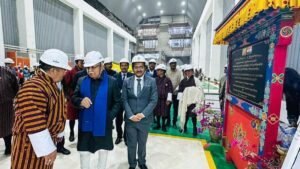
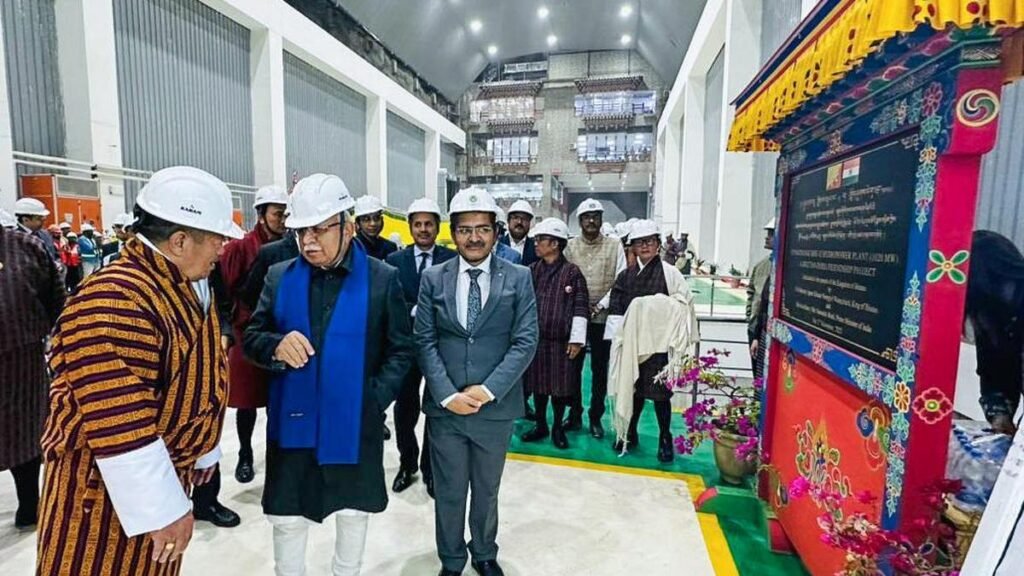
7.3 Concrete Pouring Ceremony
This was a big ceremony to mark the start of the dam construction again
Manohar Lal Khattar, Indias Power Minister and Gem Tshering, Bhutans Energy Minister were there
This event was a big milestone and showed that India and Bhutan are working together.
8. Current Status of the Project
As of 2026:
Financial progress: ~93%
Physical progress: ~88%
Remaining work: Mostly building the dam and making it stable
The project should be finished in 5 years.
9. Economic Significance
9.1 For Bhutan
Hydropower is very important for Bhutans economy.
The benefits include:
Money from exporting electricity
Earning foreign exchange
Funding for development
The Punatsangchhu-I project will:
Increase Bhutans national capacity by about 30%
Make a lot of money each year
9.2 For India
India benefits from:
Importing hydroelectric power
Having a stable grid
Meeting renewable energy targets
Hydropower from Bhutan is:
Reliable
Renewable
Important for strategy
10. Strategic Importance
The project has implications for geopolitics.
10.1 Strengthening India–Bhutan Relations
This project shows that India and Bhutan trust and cooperate with each other
It shows a long-term partnership
10.2 Regional Energy Security
This project helps integrate energy in South Asia
It reduces the need for fuels
10.3 Countering External Influence
This project helps India have a stronger presence in Bhutan
This is important for regional geopolitics
11. Environmental Considerations
Hydropower is a source of energy but it also has environmental challenges.
Things about hydropower:
It is renewable
It does not make a lot of greenhouse gases
Bad things about hydropower:
It can disrupt the river ecosystem
It can hurt aquatic biodiversity
It can cause landslides
Bhutan cares about the environment and wants to balance development with sustainability.
12. Comparison with Punatsangchhu-II Project
There are two projects in the Punatsangchhu basin:
Punatsangchhu-I
Capacity: 1,200 MW
Delayed because of geological issues
Punatsangchhu-II
Capacity: 1,020 MW
Already working and making electricity
Started in 2025
The success of Punatsangchhu-II gives people confidence that Punatsangchhu-I can be completed.
13. Challenges Ahead
Even though the project is starting up again there are still challenges.
13.1 Geological Risks
They need to keep monitoring the geology
There is still a risk of instability
13.2 Cost Escalation
They need to change the budget
They’re worried about the financial sustainability
13.3 Climate Change
The weather is changing
This is affecting the river flow
13.4 Project Management
They need to have strict timelines
They need to coordinate between many agencies
14. Lessons Learned
The project has taught us some lessons:
14.1 Importance of Geological Studies
They need to do detailed studies before building
14.2 Risk Management
They need to find risks early
They need to be flexible with the project design
14.3 International Cooperation
Strong partnerships can help overcome challenges
15. Future Prospects
If the Punatsangchhu-I project is completed successfully it will:
Help Bhutans economy
Make Indias energy portfolio stronger
Encourage more investments in hydropower
It may also lead to:
More energy projects across borders
A bigger power grid in South Asia
The Punatsangchhu-I hydropower project starting up again after seven years is a big moment for India-Bhutan relations and energy development in the region. The projects story. From its beginning to its problems. Now its restart. Shows the challenges and potential of big infrastructure projects in the Himalayas.
There are still hurdles to overcome but the restart shows that people are confident and that the engineering and political issues have been addressed. If the project is completed successfully it will not change Bhutans economy but also contribute to clean energy and regional cooperation.
The Punatsangchhu-I project is more than a hydropower project. It is a symbol of being strong working together and developing sustainably in one of the toughest places, in the world.