South states will not lose due to delimitation, will clarify in Parliament: Centre
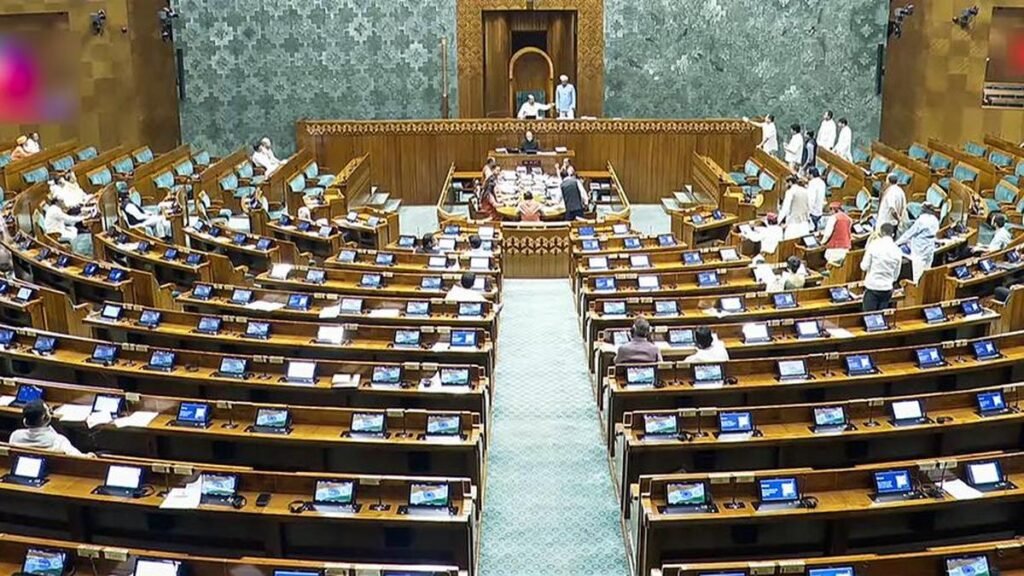
The statement that the South states will not lose due to delimitation and the Centre will clarify this in Parliament refers to an important and sensitive issue in India. The delimitation of constituencies and its potential impact on representation especially for the South states. This topic combines law, federal politics, population dynamics and regional concerns.
1. What is delimitation?
Delimitation means redrawing the boundaries of constituencies to ensure fair representation based on population changes. The Delimitation Commission of India carries out delimitation. It determines the number of seats in the Lok Sabha and State Assemblies, the boundaries of constituencies and the reservation of seats for SC/ST categories. The purpose of delimitation is to ensure representation reflect population growth or decline and maintain democratic fairness.
In India the delimitation is an issue. The Delimitation Commission of India is a body that takes care of this process. It looks at the population changes and redraws the boundaries of constituencies. This is done to ensure that everyone gets a chance to represent their area.
2. Constitutional Background
Delimitation is governed by the Constitution of India Articles 81 82 and 170. Initially delimitation was done after every Census, in 1951, 1961 and 1971. However things changed after 1976. The government froze delimitation to encourage population control. The Delimitation Commission of India plays a role in this process.
The Constitution of India is the foundation of delimitation. It sets the rules for how the boundaries of constituencies should be redrawn. The Delimitation Commission of India follows these rules to ensure that the process is fair and democratic.
3. Why was delimitation frozen?
Delimitation was frozen based on the 1971 Census. States that controlled population growth were not penalized. The freeze was extended until 2026. This decision was made to encourage population control. The government wanted to reward states that controlled their population growth.
The freeze on delimitation was a decision. It was made to encourage states to control their population growth. States that were successful in controlling their population growth were not penalized. This decision had an impact on the representation of states in the Lok Sabha and State Assemblies.
4. The core concern: North vs South divide
Now with delimitation expected after 2026 concerns have arisen. The South states are worried because they have successfully controlled population growth have fertility rates and better social indicators. The North states on the hand have higher population growth. If seats are redistributed purely based on population the North states may gain seats and the South states may lose relative influence.
The North vs South divide is a concern. The South states are worried that they will lose representation if seats are redistributed based on population. The North states with their population growth may gain more seats. This could lead to a shift in the balance of power in the Lok Sabha and State Assemblies.
5. What did the Centre say?
The Union Government has clarified that the South states will not lose representation or political importance due to delimitation. This statement is expected to be elaborated in the Parliament of India. The Centre has assured that there will be no reduction in southern representation concerns will be addressed transparently and federal balance will be maintained.
The Centres statement is a reassurance to the South states. The Union Government has clarified that the South states will not lose representation due to delimitation. This statement is expected to be elaborated in the Parliament of India. The Centre has assured that the concerns of the South states will be addressed transparently.
6. Why this issue is sensitive
Delimitation is not just technical. It affects power distribution. Political implications are significant as more seats mean influence in the Lok Sabha determine government formation and affect resource allocation. Southern leaders fear losing bargaining power. Reduced say in national decisions.
The issue of delimitation is politically sensitive. It affects the power distribution in the Lok Sabha and State Assemblies. The Southern leaders are worried that they will lose bargaining power and have a reduced say in decisions. This could lead to a shift in the balance of power in the country.
7. Possible outcomes of delimitation
There are scenarios being discussed. One scenario is a population-based redistribution, where seats are allocated strictly by population. This favors the North states. There is strong opposition from the South. Another scenario is a formula, which combines population and development indicators protecting the South states.
The possible outcomes of delimitation are being discussed. One scenario is a population-based redistribution, which favors the North states. However there is opposition from the South. Another scenario is a formula, which combines population and development indicators. This could protect the South states. Ensure that they do not lose representation.
8. Expansion of Lok Sabha: A solution
Currently the Lok Sabha has 543 seats. Experts suggest increasing seats to 750 or more. This benefits everyone as no state loses representation and the federal balance is maintained. It also reflects population growth.
The expansion of the Lok Sabha is a solution. Experts suggest increasing seats to 750 or more. This could benefit everyone as no state loses representation and the federal balance is maintained. It also reflects population growth. Ensures that the Lok Sabha is representative of the population.
9. Role of finance and tax contribution
The South states also argue that they contribute more to the economy but may get representation. This creates tension between population-based democracy and performance-based fairness. The South states feel that they are being punished for their performance.
The role of finance and tax contribution is significant. The South states argue that they contribute more to the economy but may get representation. This creates tension between population-based democracy and performance-based fairness. The South states feel that they are being punished for their performance.
10. Federalism at stake
India is a country meaning power is shared between the Centre and States. Delimitation affects the balance of power regional equality and national unity. If handled poorly it could increase tensions and trigger political conflicts.
The issue of delimitation affects federalism. India is a country and delimitation affects the balance of power regional equality and national unity. If handled poorly it could increase tensions and trigger political conflicts. The Centre and States must work together to ensure that delimitation is handled in an democratic manner.
11. Previous delimitation commission (2002)
The last delimitation was based on the 2001 Census and did not change the seats. It adjusted boundaries avoiding controversy.
The previous delimitation commission was established in 2002. It was based on the 2001 Census. Did not change the total seats. It adjusted boundaries avoiding controversy. This was a decision as it ensured that the delimitation process was handled in a fair and democratic manner.
12. Upcoming delimitation (post-2026)
The next delimitation will be based on the Census data possibly after 2026. This will be the political restructuring in decades.
The upcoming delimitation will be significant. It will be based on the Census data possibly after 2026. This will be the political restructuring in decades. The Centre and States must work together to ensure that delimitation is handled in an democratic manner.
13. Concerns raised by southern leaders
Leaders from the South have expressed concerns, including loss of parliamentary seats reduced voice in national politics and unfair punishment for population control. Some have demanded safeguards and alternative formulas.
The Southern leaders have expressed concerns. They are worried about the loss of seats reduced voice in national politics and unfair punishment for population control. Some have demanded safeguards and alternative formulas. The Centre must listen to these concerns and work towards a solution that’s fair and democratic.
14. Centres political strategy
The Centre aims to avoid backlash maintain unity and ensure smooth political transition. By promising clarification in Parliament the government is signaling transparency, opening debate and trying to build consensus.
The Centres political strategy is significant. The Centre aims to avoid backlash maintain unity and ensure smooth political transition. By promising clarification in Parliament the government is signaling transparency, opening debate and trying to build consensus. This is a step towards ensuring that delimitation is handled in a fair and democratic manner.
15. Expert opinions
Experts suggest a balanced approach is needed, combining population and development to protect the structure and avoid a “winner-takes-all” outcome. Some recommend a weightage system or fixed minimum seats for states.
The expert opinions are significant. Experts suggest an approach combining population and development to protect the federal structure and avoid a “winner-takes-all” outcome. Some recommend a weightage system or fixed minimum seats for states. This could ensure that delimitation is handled in an democratic manner.
16. Impact on elections
Delimitation will affect election strategies, party dominance and coalition politics. For example more seats in the North could mean influence of parties strong there while the South may become politically less decisive.
The impact on elections will be significant. Delimitation will affect election strategies, party dominance and coalition politics. For example more seats in the North could mean influence of parties strong there while the South may become politically less decisive. This could lead to a shift in the balance of power in the country.
17. Socio-economic dimensions
This issue also reflects inequality, development differences and governance models. The South states have education, lower fertility and higher human development while the North states have larger populations and development challenges.
The socio-economic dimensions are significant. This issue reflects inequality, development differences and governance models. The South states have education, lower fertility and higher human development while the North states have larger populations and development challenges. This could lead to a shift in the balance of power in the country.
18. International comparisons
Countries like the USA and UK also redraw constituencies regularly. However Indias challenge is unique due to its population diversity, federal complexity and regional disparities.
The international comparisons are significant. Countries like the USA and UK also redraw constituencies regularly. However Indias challenge is unique due to its population diversity, federal complexity and regional disparities. This makes delimitation a complex issue that requires an democratic solution.
19. What happens next?
Likely steps include Census data being finalized a new Delimitation Commission being formed, consultations, parliamentary debate and implementation.
The next steps will be significant. Likely steps include Census data being finalized a new Delimitation Commission being formed, consultations, parliamentary debate and implementation. This will ensure that delimitation is handled in an democratic manner.
20. Conclusion
The statement that the South states will not lose due to delimitation is an attempt by the Centre to reassure and stabilize a national issue. Delimitation is not about numbers. It is about fair representation, regional balance and national unity. The real challenge lies in finding a formula that respects population realities rewards development and maintains harmony.
The conclusion is significant. The statement that the South states will not lose due to delimitation is an attempt by the Centre to reassure and stabilize a national issue. Delimitation is not about numbers. It is, about fair representation, regional balance and national unity. The real challenge lies in finding a formula that respects population realities rewards development and maintains harmony. This requires an democratic solution that takes into account the concerns of all states.