Iran-Israel war LIVE: Trump announces 10-day ceasefire between Israel and Lebanon
The recent announcement of a 10-day ceasefire between Israel and Lebanon by Donald Trump marks a significant and potentially transformative moment in the ongoing Middle East conflict. This development is closely tied to the broader Iran–Israel war, regional instability, and high-stakes international diplomacy involving major global powers.
This explanation will break down the situation in a clear, structured, and detailed way—covering the background of the conflict, the ceasefire announcement, geopolitical implications, and future possibilities.
1. Background: Iran–Israel War and Regional Conflict
The ceasefire cannot be understood without looking at the larger war involving Iran, Israel, and allied groups.
1.1 Origins of the Conflict
- The 2026 conflict escalated after U.S.-Israeli military actions against Iran in February.
- Iran responded through:
- Direct missile and drone attacks
- Proxy groups like Hezbollah in Lebanon
1.2 Role of Hezbollah
- Hezbollah is an Iran-backed militant organization based in Lebanon.
- It opened a northern front against Israel, launching rockets and engaging in border clashes.
- Israel responded with:
- Airstrikes in southern Lebanon
- Targeted attacks on Hezbollah positions
1.3 Human and Economic Impact
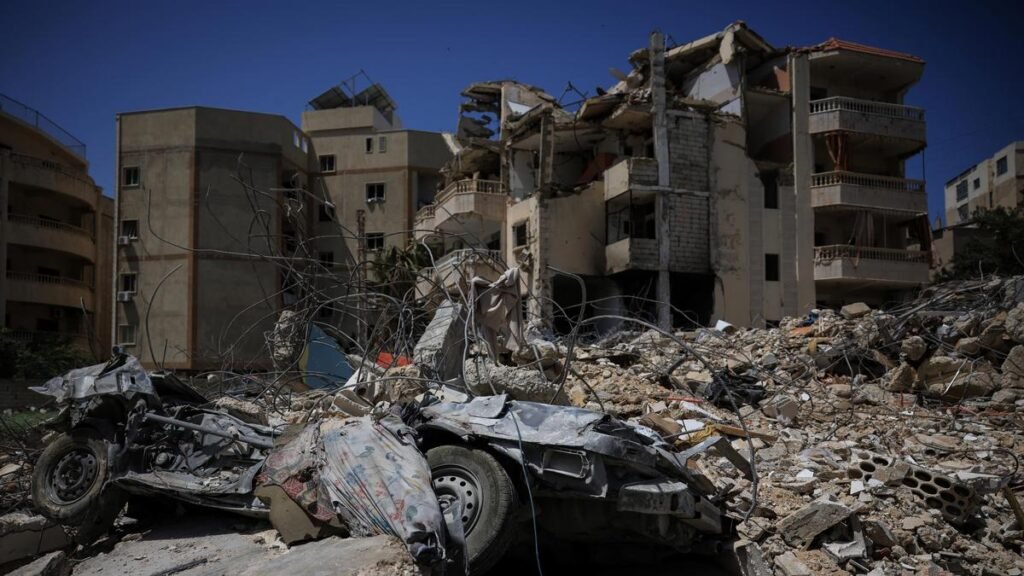
- Thousands of casualties reported, especially in Lebanon.
- Massive infrastructure destruction
- Global oil markets disrupted due to:
- Iran threatening/closing the Strait of Hormuz
- Result: rising energy prices and global economic instability
2. Trump’s Ceasefire Announcement
2.1 Key Details of the Ceasefire
According to multiple reports:
- A 10-day ceasefire agreed between Israel and Lebanon
- Scheduled to begin around:
- 5 PM EST (≈ 3:30 AM IST)
- Announced after talks with:
- Benjamin Netanyahu
- Joseph Aoun
Trump stated he had “excellent conversations” with both leaders.
2.2 Diplomatic Efforts Behind the Scenes
- U.S. officials played a key role:
- JD Vance
- Marco Rubio
- Rare diplomatic engagement:
- Israel and Lebanon held talks for the first time in decades
2.3 Strategic Intent
Trump’s broader goals include:
- Stopping escalation in Lebanon
- Supporting ongoing U.S.–Iran negotiations
- Creating conditions for long-term peace talks
3. Why This Ceasefire Matters
3.1 A Multi-Front War Pause
The Middle East conflict currently involves:
- Iran vs Israel
- Hezbollah vs Israel
- U.S. involvement
The ceasefire:
- Reduces pressure on Israel’s northern border
- Prevents a full-scale regional war
3.2 Link to Iran Peace Talks
The ceasefire is not isolated—it is tied to:
- Negotiations between U.S. and Iran
- Issues like:
- Nuclear program
- Sanctions
- Maritime security
Experts see the ceasefire as:
👉 A confidence-building step toward broader peace
3.3 Economic Impact
Global markets reacted positively:
- Oil prices stabilized slightly
- Investor confidence improved
Why?
- Reduced risk of:
- Supply disruptions
- War spreading across Gulf region
4. Challenges and Uncertainty
Despite optimism, the situation remains fragile.
4.1 Doubts About Agreement
- Some Lebanese officials were caught off guard by the announcement
- Questions remain:
- Was the deal fully finalized?
- Will all parties comply?
4.2 Role of Hezbollah
Key issue:
- Hezbollah is not a formal state actor
Even if Lebanon agrees:
- Hezbollah may:
- Continue attacks
- Act independently
However:
- Reports suggest Hezbollah may honor ceasefire if Israel stops strikes
4.3 Israeli Political Pressure
For Netanyahu:
- Ceasefire is politically sensitive
- Risks:
- Domestic criticism
- Security concerns
4.4 Temporary Nature
This is only a 10-day ceasefire, meaning:
- It is a pause—not a permanent solution
- Fighting could resume quickly
5. Military Situation Before Ceasefire
Before the truce:
- Heavy Israeli airstrikes in Lebanon
- Hezbollah rocket attacks into Israel
- Key infrastructure destroyed:
- Bridges
- Communication networks
Example:
- Strategic routes in southern Lebanon were cut off by strikes
6. International Reactions
6.1 United States
- Leading mediator
- Pushing for:
- Broader peace framework
6.2 Europe
- Welcomed ceasefire
- Emphasized need for long-term peace
6.3 Middle East
- Mixed reactions:
- Some support diplomacy
- Others skeptical of U.S. role
7. Possible Future Scenarios
Scenario 1: Successful Peace Talks
- Ceasefire extended
- Israel–Lebanon agreement reached
- Iran deal finalized
👉 This would stabilize the region significantly.
Scenario 2: Partial Success
- Temporary calm
- Sporadic violence continues
- No long-term agreement
👉 Most likely scenario.
Scenario 3: Ceasefire Collapse
- Violations occur
- Full-scale war resumes
- Regional escalation
👉 Worst-case scenario.
8. Broader Geopolitical Implications
8.1 Shift in U.S. Role
- U.S. acting as primary mediator
- Attempting to reshape Middle East diplomacy
8.2 Iran’s Strategic Position
- Using proxies like Hezbollah
- Negotiating while maintaining pressure
8.3 Israel’s Security Doctrine
- Balancing:
- Military action
- Diplomatic compromise
9. Historical Context
- Israel and Lebanon have had decades of hostility
- Last major engagement:
- 2006 war with Hezbollah
- Direct talks are extremely rare:
- First serious engagement in ~30+ years
The announcement of a 10-day ceasefire between Israel and Lebanon is a crucial but fragile step toward reducing tensions in one of the world’s most volatile regions.
Key Takeaways:
- It is part of a larger geopolitical puzzle involving Iran, the U.S., and regional actors
- It reflects intense diplomatic efforts led by the United States
- It offers hope for peace, but:
- Trust deficits
- Political pressures
- Militant groups
still pose major risks
👉 In simple terms:
This ceasefire is not the end of the war, but it may be the beginning of a possible peace process—if all sides choose diplomacy over conflict.