Himachal CM Sukhu announces ₹1,500 monthly aid for eligible women in Kinnaur
The announcement by Himachal Pradesh Chief Minister Sukhvinder Singh Sukhu to provide ₹1,500 financial assistance to eligible women in Kinnaur is an important welfare measure. This measure aims at strengthening security, women empowerment and rural economic stability. The decision is part of a policy framework of the state government focused on inclusive development especially in remote and tribal regions like Kinnaur.
1. Background of the Announcement
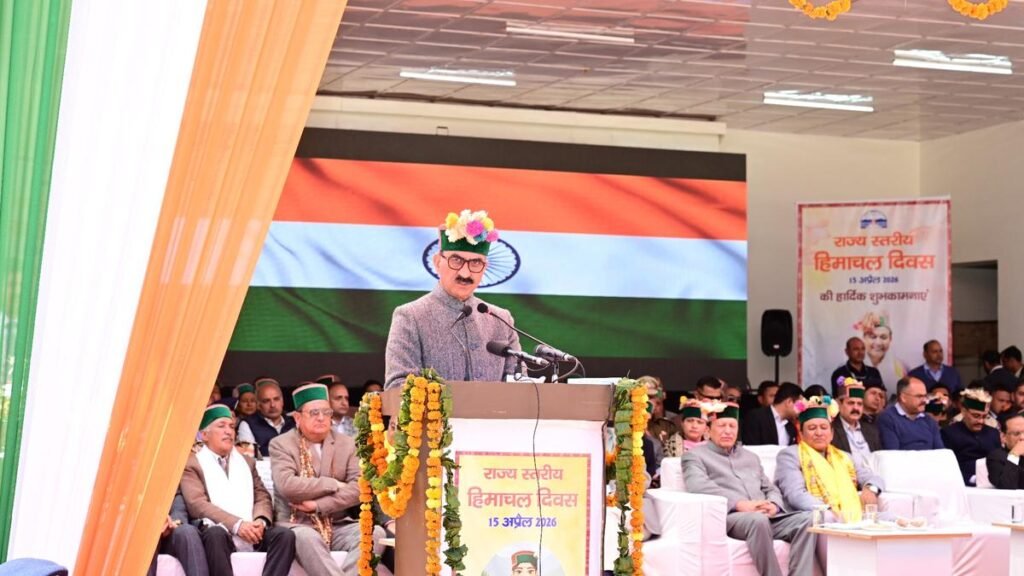
The scheme was announced on the occasion of Himachal Day celebrations in Kinnaur district. During the event Sukhu addressed a gathering and outlined several development initiatives. He declared that all eligible women in Kinnaur district will receive ₹1,500 per month under the Indira Gandhi Pyari Behna Sukh Samman Nidhi Yojana.
This scheme is not entirely new; it is part of a promise made during elections.. Its extension to Kinnaur highlights a targeted approach for tribal and remote areas.
2. About the Scheme
The scheme has some features.
– Financial assistance: ₹1,500
– Target group: Women, generally aged 18–59 years
– Eligibility:
Permanent resident of Himachal Pradesh
Belonging to economically weaker sections
– Objective: Provide financial security and dignity to women
The amount of ₹1,500 is designed to support basic household expenses improve nutrition and health spending and provide financial independence. Even though ₹1,500 may seem modest in tribal regions like Kinnaur it can significantly impact daily living.
3. Why Kinnaur?
Kinnaur is a mountainous district with unique socio-economic challenges.
– Harsh climate and geographical isolation
– Limited employment opportunities
– Dependence on agriculture and horticulture
– Seasonal income patterns
Women often face vulnerability and economic participation is limited. Thus targeting Kinnaur reflects a welfare approach for backward regions.
4. Objectives of the Scheme
The ₹1,500 aid aims to achieve multiple policy goals:
(1) Women Empowerment
– Provides direct income support
– Enhances decision-making power in households
– Reduces dependency on male earners
(2) Poverty Reduction
– Helps families manage food expenses, healthcare and children’s education
(3) Social Security
– Acts as a basic income safety net
– Protects vulnerable groups from economic shocks
(4) Boost to Rural Economy
– Increased spending boosts local markets
– Improves demand for goods and services
5. Political Context
This scheme is linked to commitments. The Congress government had promised ₹1,500 aid to women. It is part of fulfilling election guarantees. Earlier similar announcements were made in constituencies too indicating a phased implementation across the state.
The government is gradually expanding coverage giving priority to remote and needy regions first.
6. Economic. Challenges
The scheme is socially beneficial. Comes with financial challenges.
– The state is facing a debt burden and reduced central grants.
The Chief Minister emphasized balancing welfare and financial stability.
7. Impact on Women
The scheme will have impacts:
(1) Financial Independence
– Women gain their own income source.
(2) Improved Living Standards
– access to nutrition, healthcare and education
(3) Social Status
– Increased respect within family and society
– Encourages gender equality
(4) Reduced Migration Pressure
– Supports local livelihoods
– Reduces need to migrate for survival
8. Broader Development Announcements Alongside
The ₹1,500 scheme was part of a development package for Kinnaur. Other initiatives include a geothermal-based heating system, road infrastructure projects, polytechnic college relocation, power transmission projects and tourism promotion. This indicates a development approach, combining welfare and infrastructure.
9. Comparison with States
Similar schemes exist in other states.
– Madhya Pradesh: Ladli Behna Yojana
– Tamil Nadu: Kalaignar Magalir Urimai Thogai
– Karnataka: Gruha Lakshmi scheme
The common goal is cash transfer to women.
10. Criticism and Concerns
Despite benefits the scheme faces criticism:
(1) Fiscal Sustainability
– Long-term burden on state finances
(2) Dependency Risk
– Critics argue it may create welfare dependency
(3) Targeting Issues
– Ensuring only eligible women benefit is crucial
(4) Implementation Challenges
– Identifying beneficiaries in areas
– Ensuring timely payments
11. Long-Term Significance
The scheme could have impacts.
– Reduction in gender inequality
– Improved human development indicators
– Stronger rural economy
If mismanaged fiscal stress could increase and development spending may be affected.
The ₹1,500 monthly aid for women in Kinnaur announced by Sukhvinder Singh Sukhu represents a step toward inclusive and gender-focused governance. It reflects a commitment to women empowerment focus on remote regions and alignment, with national welfare trends. While the scheme has potential to uplift women and improve rural livelihoods its success will depend on efficient implementation, proper targeting and financial sustainability.