Banking FDI for nuclear power projects in the pipeline, says official
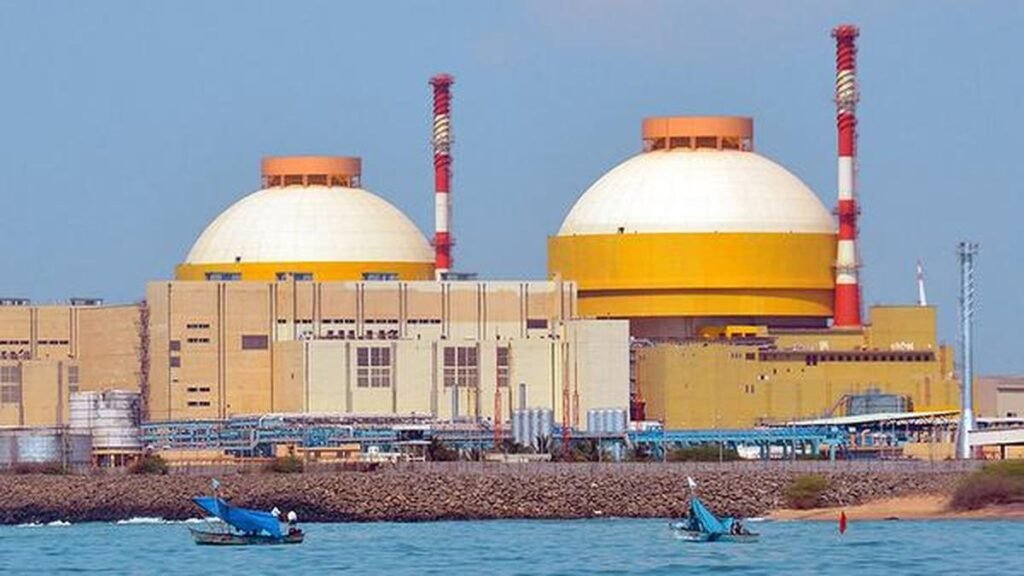
The Indian government says it is going to allow foreign companies to invest in nuclear power projects. This is a change in Indias energy policy. The government wants to get money from outside India to fund these projects.
1. What the News Means
The news is saying that the Indian government is making policies to allow foreign investment in nuclear power projects. These policies are still being worked on. Have not been finalized yet. The goal is to get a lot of money for energy projects. The government is looking at ways to get money from banks and other financial institutions.
In short: India wants money from countries and private companies to increase its nuclear power.
2. Background: Why India Needs Nuclear Investment
Indias energy demand is increasing fast. This is because of growth more people moving to cities, electric vehicles and a growing digital economy. At the time India has promised to reduce its carbon emissions and use cleaner energy.
Nuclear energy is important because it is clean and does not produce a lot of carbon emissions. It also provides electricity all the time, which’s not the case with solar or wind power. India wants to increase its nuclear power capacity to 100 GW by 2047. This will require a lot of money.
3. Why FDI Is Needed in Nuclear Sector
Nuclear power plants are very expensive to build. The estimated cost is ₹20 lakh crore. These projects also take a time to complete, around 10-15 years. This makes it hard for private companies to invest because they have to wait a time to get their money back. The government does not have money to fund these projects on its own.
Therefore India needs money from countries, private companies and banks to fund its nuclear power projects.
4. What Is FDI in Nuclear Power?
FDI means that foreign companies or institutions invest money in projects. This can include buying shares partnering with companies or starting joint ventures. Until now the nuclear sector was closed to foreign companies.. The government is making changes to open up the sector.
5. Policy Developments Behind This Move
There are a policies that are being changed to allow FDI in nuclear power. One of these is the SHANTI Act, 2025 which allows private companies to participate in the sector. The government has also proposed a policy that will define how FDI can be used in nuclear power projects.
The budget also provides tax exemptions for nuclear project imports till 2035. All these changes are creating a framework for foreign companies to invest in Indias nuclear power sector.
6. What Does “Banking FDI” Mean?
Banking FDI means that banks will be involved in funding nuclear power projects. This can include lending money structuring financing deals and managing risk. It can also involve combining government funding, private investment and foreign capital to fund these projects.
Nuclear power projects may be funded in a way to large infrastructure projects like roads and airports.
7. Key Challenges in Nuclear Financing
There are a challenges that the government is facing in trying to get money for nuclear power projects. One of these is the cost of building these projects. It can cost ₹20+ crore per MW. Another challenge is the time it takes to get approval for these projects, which is currently around 13 years.
There are also concerns about safety and the risk of accidents. Foreign companies are hesitant to invest because of liability laws. Despite the changes in policy private companies are still not very interested in investing in power.
8. Role of Sector and Foreign Companies
The new policy aims to involve Indian companies like Tata Power, Adani Power and Reliance in nuclear power projects. These companies are looking at opportunities in the sector but need clearer policies.
Foreign companies can also participate by providing money, technology and expertise. They can help improve efficiency and bring in technologies.
9. How Nuclear Expansion Will Work
India plans to increase its nuclear power capacity by building reactors at one site. This will help reduce costs and speed up the process. The government is also looking at using technologies, including indigenous reactors, imported reactors and small modular reactors.
10. Economic Impact of Banking FDI in Nuclear Sector
Allowing FDI in power can have a positive impact on the economy. It can create jobs improve energy security and help India meet its climate goals. It can also bring in technologies and improve efficiency.
However there are also risks like risks, dependence on foreign capital and safety concerns.
11. Why This Move Is Important for India
This development is important because it marks a shift from a government-controlled model to a model that involves private and foreign companies. This can help increase power capacity faster.
It is similar to how other sectors like telecom, aviation and infrastructure were opened up for growth.
12. Context
Many countries are looking at nuclear energy again because of climate change. Indias move to allow FDI in power is in line with global trends.
13. Future Outlook
In the term the government will finalize its policies and start pilot projects with private participation. In the term Indias nuclear power capacity will increase and foreign investors will start to come in.
In the term India aims to reach 100 GW of nuclear power capacity by 2047. This will be a contributor to Indias energy mix.
The governments decision to allow FDI in nuclear power is a big change, in its energy policy. It shows that the government recognizes the need for funding to increase nuclear power capacity. By opening up the sector to investment and banking finance India is moving towards a more modern investment-driven model.
However the success of this move will depend on policies, risk-sharing frameworks, faster approvals and investor confidence.