Iran-Israel war LIVE: Donald Trump says Iran agrees to ‘never’ close Hormuz strait again
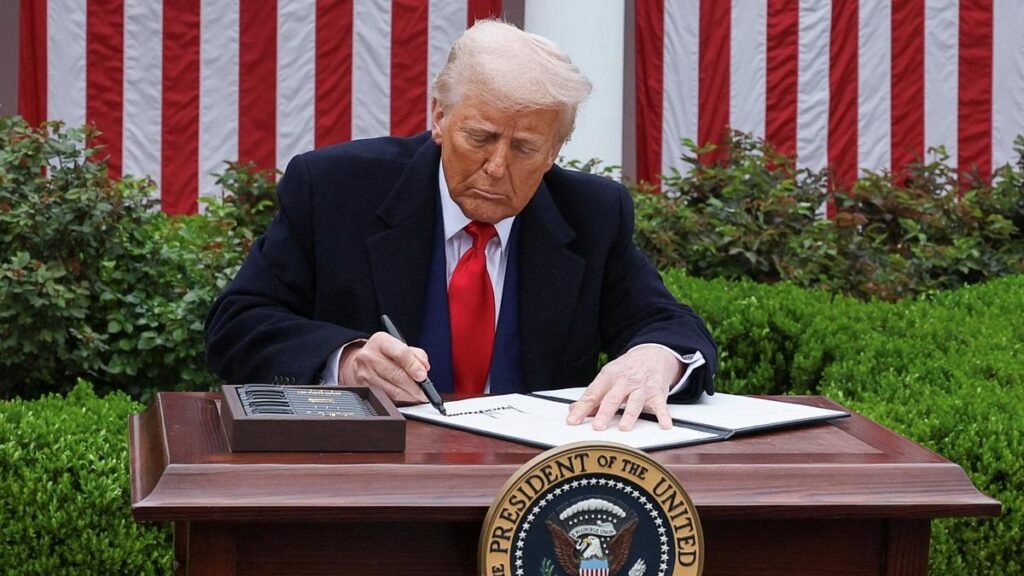
The Iran and Israel conflict is a deal. Donald Trump said that Iran has agreed to never close the Strait of Hormuz. This is an important and controversial statement. To understand what it means we need to look at the background of the war why the Strait of Hormuz is so important what Donald Trump actually said, what Iran is really saying and how this affects the world.
1. Background: The Iran and Israel conflict started in February 2026. The United States and Israel attacked targets. Iran responded by causing problems for the energy market.
One of the things Iran did was:
Closing the Strait of Hormuz
Threatening the global oil supply
Fighting with the US navy in the Gulf
The Strait of Hormuz became the center of the conflict. This turned a war into a global economic crisis.
2. What is the Strait of Hormuz. Why is it so important?
The Strait of Hormuz is an important place.
Some key facts about the Strait of Hormuz are:
20% of the worlds oil passes through the Strait of Hormuz
It connects the Persian Gulf to the Arabian Sea
Countries like Saudi Arabia, UAE, Iraq and Iran use the Strait of Hormuz to export oil
When Iran closed the Strait of Hormuz:
Oil prices went up around the world
Shipping routes were disrupted
It became more expensive to get insurance for ships
This is why controlling the Strait of Hormuz means controlling the global energy market.
3. What did Donald Trump say exactly?
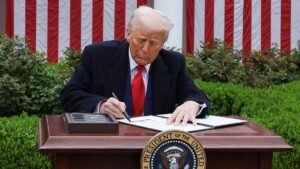
According to reports Donald Trump said that Iran has agreed to never close the Strait of Hormuz. He said this is a win for his diplomacy. He said it is a step towards ending the war. He said it means the Strait of Hormuz will not be used as a weapon.
He also said that this is part of talks with Iran. These talks are about Irans program stopping the fighting and making the region more stable.
4. Has Iran really agreed to this?
This is where things get complicated.
Iran has said that the Strait of Hormuz is open for now. Iran has said that ships can pass through during the ceasefire.
Iran has not clearly said that it will never close the Strait of Hormuz again. Iran has not made any long-term promises that’re legally binding.
In fact some reports say that Donald Trumps claim is not verified. Some people say that Iran might still close the Strait of Hormuz or use it as leverage again.
5. What is happening now
Even though the Strait of Hormuz is open the situation is still not stable.
Some things that are happening now are:
The Strait of Hormuz is open but only for ships.
The US is still blocking ports.
The ceasefire is only temporary.
There is still a risk of problems at sea.
Shipping companies are still being careful.
Insurance costs are still high.
6. Why would Iran agree to this?
If Iran did agree to never close the Strait of Hormuz there are some reasons that might explain it.
Irans economy depends on oil exports. Closing the Strait of Hormuz hurts Iran too.
There is an US naval presence.
There is a risk of a war.
Iran is talking to countries about its nuclear program and sanctions.
Many countries, like China, India and the EU depend on oil from the Strait of Hormuz.
Iran might be trying to reduce its isolation and get some concessions.
7. Why is this claim so controversial?
Donald Trumps statement is very sensitive.
There are some issues with it.
There is no proof that Iran agreed to this.
Iran has not clearly said that it will never close the Strait of Hormuz again.
Iran has used the Strait of Hormuz as leverage
The current opening of the Strait of Hormuz is only temporary.
There are regional politics at play.
Irans military might not fully agree with this.
Allies like Hezbollah might influence Irans decisions.
8. How does this affect the economy?
The biggest effect has been on oil markets.
Oil prices dropped sharply after the Strait of Hormuz reopened.
Why did prices fall?
There was fear about the oil supply.
Ships could sail again.
People felt more confident about the market.
There is still some uncertainty.
Prices are still higher than before the war.
Traders are afraid that the Strait of Hormuz might close again.
9. What does this mean for the world?
If the agreement is real and lasts it could change the way the world works.
It could make the energy market more stable.
It could reduce the risk of a conflict.
It could lead to a breakthrough.
It could lead to a deal between the US and Iran.
It could revive the agreement.
10. What are the risks going forward?
There are still some risks.
The ceasefire might collapse.
If fighting starts again the Strait of Hormuz might close.
The US and Iran still do not trust each other.
There is a risk of an incident that could escalate into a bigger conflict.
There are hardliners in Iran who might oppose any concessions.
The statement that Iran has agreed to never close the Strait of Hormuz is important.
It shows that things might be getting better.
It reassures the markets.
It suggests that diplomacy is working.
It is not certain.
Iran has not fully confirmed it.
The current opening of the Strait of Hormuz is only temporary and conditional.
The situation on the ground is still fragile. Might change.
Donald Trumps claim gives us hope for stability. It is not a guaranteed reality.
The Strait of Hormuz is open for now.
Talks are still going on.
The situation is still fragile. Might change.
The real takeaway is that this is not the end of the crisis. It is a temporary easing, in a very volatile conflict.