Stock markets snap 3-day rally, Sensex tumbles 757 points dragged by IT shares, jump in oil prices
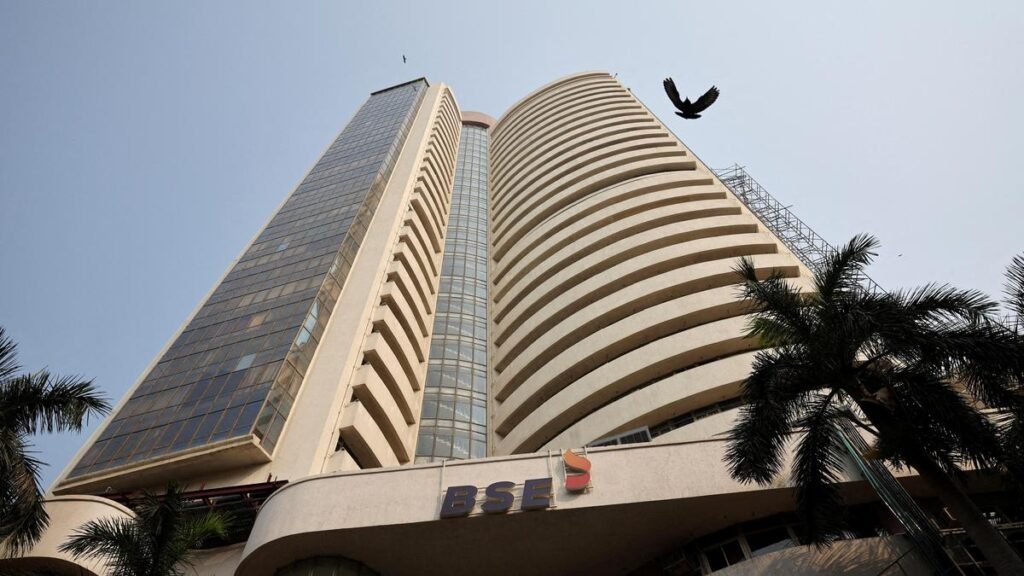
The big drop in stock markets. Where the Sensex went down 757 points and stopped a 3-day rally. Can be understood as the result of many connected economic and market forces, not just one reason. The two biggest reasons mentioned. IT stocks and a rise in crude oil prices. Acted as catalysts but the deeper explanation lies in global cues, investor psychology, sectoral dynamics and macroeconomic concerns.
Lets break this down in a way.
1. What happened in the market?
Indias main indices. The BSE Sensex. Fell sharply after a short rally. A decline of 757 points is significant because it shows that many people are selling it means people are taking their profits after making some gains. It often indicates that there are global or macroeconomic problems.
Such big falls do not happen randomly. They usually happen after people start to get worried.
2. Role of IT stocks in dragging the market down
The IT sector is very important in indices. Companies like Tata Consultancy Services, Infosys and HCL Technologies play a role in deciding how the indices move.
Why IT stocks fell:
(a) Weak demand from other countries
IT companies depend a lot on clients from the US and Europe and sectors like banking, retail and tech. If people think the US economy is slowing down companies will spend less on IT and this will make the revenue outlook weak so IT stocks will fall.
(b) Currency movement
If the rupee gets stronger it reduces the earnings of IT companies that export services. Even small changes in the currency can affect their profit margins.
(c) Valuation concerns
IT stocks often trade at prices. After a rally investors will sell their stocks to book profits and even small negative news can trigger selling.
(d) Earnings concerns
If the quarterly results or guidance of IT companies are weak their stocks will fall quickly because they are considered to be earners and any deviation from this will cause a strong reaction in the market.
3. Impact of rising crude oil prices
The second big reason for the fall is the increase in oil prices global benchmarks like Brent crude.
India imports most of its crude oil needs rising oil prices directly hurt the economy.
Why higher oil prices affect stock markets:
(a) Inflation goes up
Higher oil prices mean fuel costs, which means transportation costs go up and this increases inflation.
This creates fear that the Reserve Bank of India may increase interest rates or keep a monetary policy, both of which are negative for stock markets.
(b) Companies profits get squeezed
Companies face input costs and reduced margins, which affects sectors like aviation, logistics, FMCG and paints.
(c) Government faces pressure
Higher oil import bills worsen the current account deficit and fiscal deficit creating macroeconomic instability.
(d) Rupee depreciates
Higher oil imports increase demand for dollars which means the rupee weakens and foreign investors become cautious.
4. Global factors that influenced the fall
Stock markets are connected globally. Even domestic markets like India react to international developments.
(a) US economic signals
If US data shows inflation rising or interest rates staying high then global liquidity. Emerging markets like India see money flowing out.
(b) Federal Reserve policy
The actions of the Federal Reserve influence global capital flows. Higher US interest rates mean investors move their money to US bonds resulting in selling in equities.
(c) Geopolitical tensions
Conflicts like those in West Asia often lead to a rise in crude oil prices and a risk-off sentiment.
5. Profit booking after a 3-day rally
Markets had risen for three sessions before this fall.
Why this matters: short-term traders book their profits institutional investors rebalance their portfolios and the momentum reverses.
This is a market behavior called a technical correction.
6. Role of Foreign Institutional Investors (FIIs)
FIIs play a role in Indian markets. When FIIs sell markets fall sharply. Large-cap stocks like IT and banking are hit first.
Reasons FIIs might sell: they might get returns in developed markets they might face currency risk or they might be uncertain about the global economy.
7. Sector-wise impact
(a) IT sector. Loser
Due to fears of a global slowdown.
(b) Oil-sensitive sectors
Sectors like aviation, paint and FMCG are negatively impacted.
(c) Banking sector
Banks may fall due to fears of credit growth or the impact of inflation.
(d) Energy stocks ( reaction)
Companies like Reliance Industries may behave differently: they might benefit from higher oil prices upstream but they might suffer downstream.
8. Market psychology and sentiment
Stock markets are driven not by data but also by investor sentiment.
Key psychological triggers: fear of inflation global uncertainty and negative news flow.
Once selling starts panic selling can accelerate losses and retail investors often follow cues.
9. Technical factors
Apart from fundamentals technical indicators matter: markets may have hit resistance levels overbought conditions can trigger correction and stop-loss orders can get activated, leading to falls.
10. Is this a crash or correction?
Important distinction:
Factor Correction Crash
Magnitude fall Severe fall
Duration Short-term Long-term
Cause Profit booking, news Structural crisis
A 757-point fall is a correction, not a crash.
11. Broader economic implications
(a) Inflation concerns rise
Due to oil prices.
(b) Monetary policy tightening
The RBI may stay cautious.
(c) Growth vs inflation trade-off
Higher oil prices can slow growth.
12. What investors should understand
term: volatility will remain high and news-driven movements will continue.
Term: Indias fundamentals remain strong and corrections create buying opportunities.
13. Key takeaway summary
The fall in Sensex was caused by a combination of factors:
triggers: IT stocks decline, rising crude oil prices.
Structural reasons: economic uncertainty, FII selling, inflation concerns.
Technical reasons: profit booking after rally.
14. The 757-point fall in the Sensex highlights how sensitive stock markets are to both global developments. While IT stocks reacted to global slowdown fears rising oil prices added pressure creating a double negative for investors.
However such corrections are a part of market cycles, not a sign of long-term weakness. For investors these phases are opportunities to reassess their portfolios rather, than panic.