Short-term fluctuations, including FDI outflows, closely monitored: RBI Governor Sanjay Malhotra
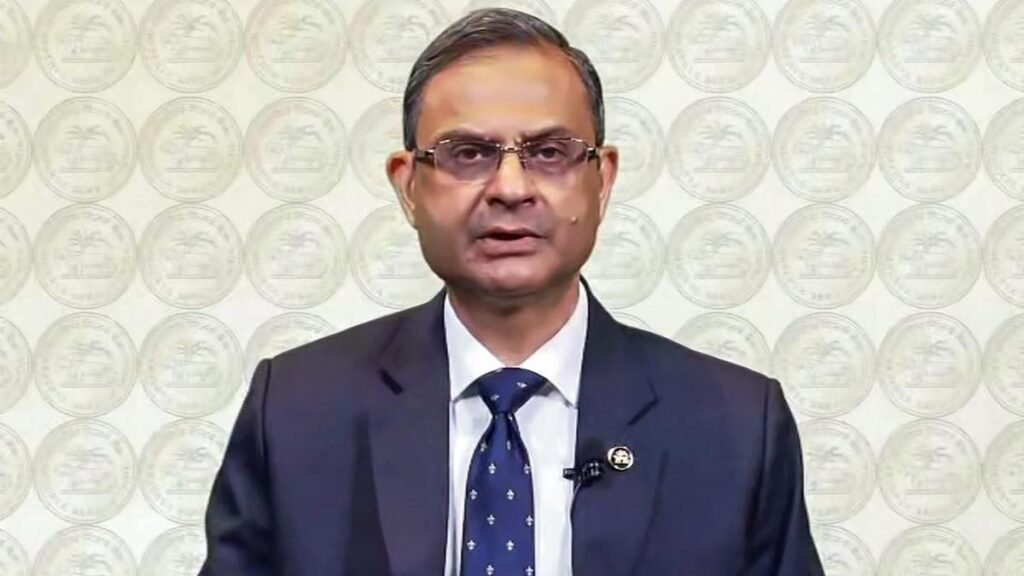
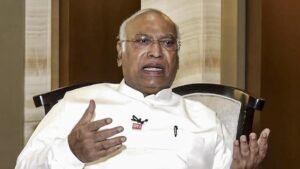
Sanjay Malhotra, the Governor of the Reserve Bank of India recently said that the Indian economy is being closely watched for short-term changes, such as money moving out of the country and changes in the exchange rate.
These changes are like a part of how the economy works. The Reserve Bank of India is keeping an eye on things to make sure the economy stays stable even with all the uncertainty in the world like tensions between countries, money moving around and inflation.
🧠 Understanding the Key Statement
Sanjay Malhotras statement has three points:
1. Short-term changes are normal
He said that changes like money moving out of the country and the value of the currency going up and down are temporary and happen regularly because of how the global and domestic economies work.
👉 This means:
These changes do not mean the Indian economy is weak
They are a normal part of how the global financial system works
2. The Reserve Bank of India is watching the situation closely
The Reserve Bank of India is:
Keeping track of money moving in and out of the country
Watching the foreign exchange markets
Seeing how investors are feeling
👉 This shows that the Reserve Bank of India is being proactive not just reacting to things.
3. The Indian economy has strong basics
Sanjay Malhotra talked about:
How strong the Indian financial system is
How stable the policies are
How well the economy is growing
These basics help the Indian economy deal with shocks from outside.
🌍 What is Foreign Direct Investment and why do outflows matter?
📌 What is Foreign Direct Investment?
Foreign Direct Investment is when a company or person from another country invests in a business or assets in India.
Example:
A company from the United States building a factory in India
📉 What’re Foreign Direct Investment outflows?
Foreign Direct Investment outflows happen when foreign investors take their money out of India or when they send their profits back to their country or when they move their money to another country.
⚠️ Why Foreign Direct Investment outflows are
Foreign Direct Investment outflows can:
Reduce the amount of money available in India
Affect the value of the currency
Impact how well the economy grows
Sanjay Malhotras main point is:
👉 Short-term outflows are not a big deal if the economys basics are strong
🔄 Why do short-term changes happen?
1. Global economic conditions
Changes in interest rates in the United States inflation trends around the world and movements in commodity prices can all affect the economy.
Example:
If interest rates go up in the United States investors might take their money out of countries like India.
2. Tensions between countries
Things like the conflict in West Asia and changes in oil prices can impact:
Money moving in and out of the country
The stability of the currency
3. Currency movements
Changes in the exchange rate can:
Affect how money investors make
Influence money moving in and out of the country
4. How investors feel
Investors feelings play a role:
They might be more or less willing to take risks
They might move their money to safer places, like the United States
🇮🇳 Indias economic strength: why the Reserve Bank of India is confident
1. Strong growth outlook
India is still one of the growing major economies with stable demand at home.
2. Stable financial system
The banking sector is well-regulated. Inflation is under control compared to the rest of the world.
3. High foreign exchange reserves
India has a lot of money saved up in currencies, which helps keep the rupee stable.
4. Consistent policies
The Reserve Bank of India makes decisions based on data. Has a clear plan.
🏦 The Reserve Bank of Indias strategy to handle changes
1. “Wait and watch” approach
The Reserve Bank of India is not doing anything right now:
It is keeping interest rates steady
It is staying flexible
2. Intervening in the market if needed
The Reserve Bank of India can:
Sell foreign currencies
Control how much money is available
3. Reforming regulations
Sanjay Malhotra talked about making rules simpler making it easier to do business and letting investors into the market.
4. Strengthening markets
The Reserve Bank of India is working to connect markets in India and outside and to get more foreign investors involved.
💹 Capital flows: Foreign Direct Investment vs Foreign Portfolio Investment
🔹 Foreign Direct Investment (term)
This type of investment is stable and not very volatile. It goes into real assets like factories.
🔹 Foreign Portfolio Investment (term)
This type of investment is short-term, volatile and goes into things like stocks and bonds.
👉 The Reserve Bank of India is more worried about short-term investment volatility. It still watches Foreign Direct Investment trends closely.
🌐 Global context: why this statement matters now
1. Conflict in West Asia
This is disrupting oil supplies. Making inflation worse.
2. Strong US dollar
This is attracting money from around the world and causing outflows from countries like India.
3. Disruptions to supply chains
These are affecting trade and creating uncertainty.
📊 Impact on the economy
Positive signs:
The economys basics are strong
Policies are stable
Investors are confident
Potential risks:
The currency might lose value
Inflation might get worse
Less foreign investment might come in
🧩 Interpretation of Sanjay Malhotras message
Sanjay Malhotras statement is reassuring:
✔ To investors
India is still an attractive place for long-term investment.
✔ To markets
There is no need to panic about short-term volatility.
✔ To policymakers
They should focus on long-term reforms.
🔍 Deep insight: cyclical vs changes
🔄 Cyclical changes
These are temporary and happen because of things outside the economy.
Example: Foreign Direct Investment outflows because of changes in interest rates.
🧱 Structural changes
These are term and show weakness in the economy.
👉 Sanjay Malhotra is saying that the current changes are cyclical not structural.
📉 Exchange rate movements explained
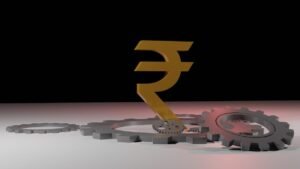
The value of the rupee changes because of:
Money moving in and out of the country
Oil imports
Trade balance
The Reserve Bank of India watches:
Volatility
Speculative activity
🧭 Long-term outlook for India
Positive trends:
The digital economy is growing
Manufacturing is expanding
Infrastructure is being developed
Capital flow expectations
Sanjay Malhotra expects Foreign Direct Investment and Foreign Portfolio Investment to improve over time.
🧠 Why the Reserve Bank of India does not panic
Central banks know that markets can be volatile and overreacting can make things worse.
So the Reserve Bank of India focuses on:
Stability
Confidence
Long-term growth
📌 Key takeaways
Short-term Foreign Direct Investment outflows are normal and cyclical
The Reserve Bank of India is watching money moving in and out of the country and currency movements closely
Indias strong basics help it deal with shocks
factors like oil prices tensions between countries and US interest rates drive volatility
The Reserve Bank of India is taking a calm data-driven approach
Sanjay Malhotras statement shows a balanced and confident view of the Indian economy. He acknowledges short-term changes. Says they are temporary and not a sign of deeper problems.
By talking about basics ongoing reforms and close watching the Reserve Bank of India is saying that India is on a stable growth path despite uncertainty, in the world.
👉 In terms:
“Do not worry about short-term ups and downs. The Indian economys foundation is strong.”