Iran-Israel war LIVE: U.S.-Iran talks could be held in next three days, says Trump
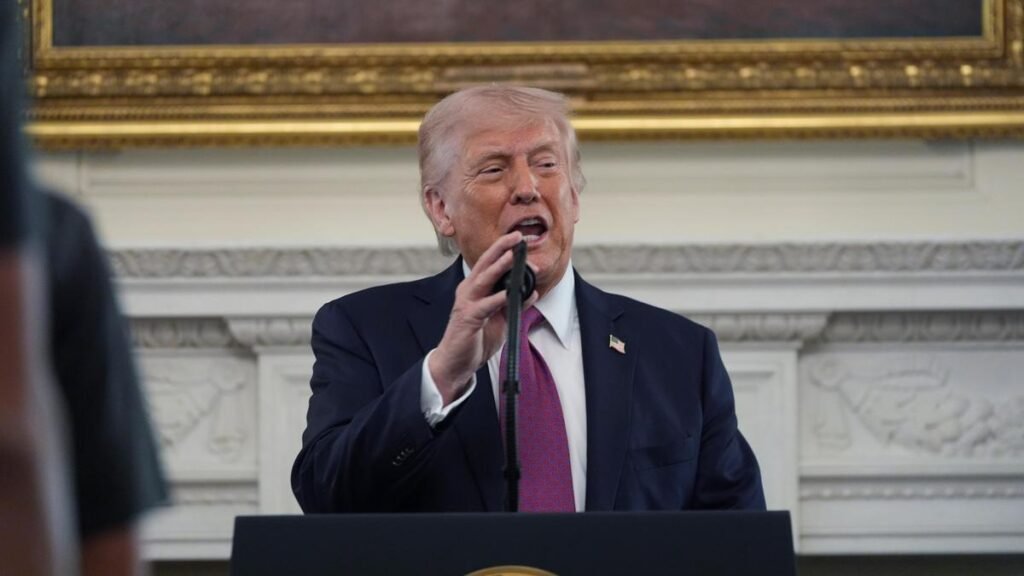
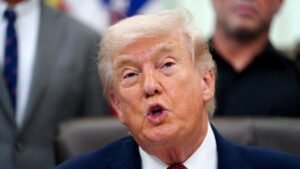
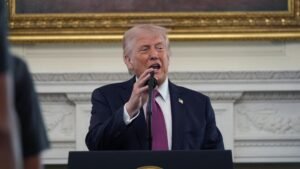
The statement that U.S.–Iran talks “could be held in the three days ” as suggested by former U.S. President Donald Trump comes at a very tense and fragile moment in the ongoing Iran–Israel war and wider Middle East crisis.
To understand its significance you need to look at the situation diplomatic efforts, internal politics in Iran and global consequences.
Here is a detailed structured explanation.
* Background of the Iran–Israel War
The current conflict is part of a geopolitical confrontation involving Iran, Israel, the United States and regional actors like Lebanon and Gulf countries.
The war escalated earlier in 2026 after strikes on Iranian-linked targets U.S. Military involvement and pressure on Iran and disputes over Iran’s nuclear program.
A temporary ceasefire was reached in April 2026 through mediation led by Pakistan.
However this ceasefire is fragile and conditional.
* Trump’s Statement: Talks Within 3 Days
According to reports Trump said a second round of U.S.–Iran talks could happen within 36–72 hours.
These talks are expected to be held in Islamabad, Pakistan.
Pakistan is acting as a mediator between the two sides.
However this is not confirmed by Iran yet.
Key conditions include:
Iran must present a “unified proposal.”
+ Talks depend on agreement within Iran’s leadership.
The U.S. Is continuing its naval blockade despite the truce.
Trump has also warned that the ceasefire is not permanent and may end if progress is not made.
* Why Talks Are Being Considered Now
There are reasons why both sides might be open to negotiations.
One reason is war fatigue.
The conflict has caused damage and instability.
Iran’s economy is under pressure due to sanctions and blockade.
The U.S. Faces criticism domestically.
Another reason is the risk of escalation.
The war could expand into an global conflict.
The involvement of Hezbollah and other groups increases the risk.
The global economic impact is also a concern.
The Strait of Hormuz crisis is affecting the oil supply.
20% Of the world’s oil passes through this route.
* Major Obstacle: Iran’s Internal Divisions
One of the challenges is that Iran’s leadership is not unified.
Different power centers include the Supreme Leader, Government and Military.
Reports suggest some factions want negotiations while others oppose concessions to the U.S.
Because of this Iran initially agreed to talks then reversed its position the day.
This is why Trump is demanding a ” unified proposal” before talks proceed.
* Role of Pakistan as Mediator
Pakistan has emerged as a diplomatic bridge.
Pakistan maintains relations with both the U.S. And Iran. Is geographically and politically positioned for mediation.
Pakistan’s role includes hosting talks facilitating communication and preventing escalation.
Without Pakistan’s involvement negotiations may not even be possible.
* The U.S. Naval Blockade: Key Issue
One of the sticking points is the U.S. Naval blockade of Iran.
The U.S. Has blocked ships going to and from ports.
Iran considers this an act of war.
The impact includes Iran losing hundreds of millions of dollars daily trade disruptions and rising global oil prices.
Iran demands the U.S. Lift the blockade before talks.
The U.S. Position is that the blockade remains as a pressure tool.
* Strait of Hormuz Crisis
The Strait of Hormuz has become the center of conflict.
Iran seized two ships in the strait. There is a possible mining of the waters.
Commercial shipping is disrupted.
The strait is a global oil route and closure leads to rising fuel prices, global inflation and supply chain disruption.
The Pentagon has warned that clearing mines could take up to six months.
* Israel’s Role in the Conflict
Although the headline focuses on talks Israel is central to the conflict.
Israel has conducted strikes on allied targets.
Fighting continues in Lebanon between Israel and Hezbollah.
During the ceasefire violations and skirmishes continue.
This makes peace talks more complex because the conflict is not just U.S.–Iran; it is a -front regional war.
* Ceasefire Situation
Currently a temporary ceasefire is in place. Trump has extended it.
However it is conditional and fragile.
Trump has warned that Iran has 3–5 days to respond.
If talks fail military action could resume.
* What Will Be Discussed in Talks?
If talks happen major issues will include:
1. Nuclear Program: The U.S. Wants limits or a complete halt while Iran insists on its right to development.
2. Sanctions Relief: Iran wants the removal of sanctions.
3. Naval Blockade: Iran demands its removal.
4. Regional Influence: The U.S. Wants Iran to reduce support for groups like Hezbollah.
5. Strait of Hormuz: Ensuring navigation.
* Possible Outcomes
There are possible outcomes.
Scenario 1: Talks. The ceasefire becomes permanent with gradual lifting of sanctions and stabilization of oil markets.
Scenario 2: Talks. War resumes with possible escalation into a wider Middle East war or direct U.S.–Iran conflict.
Scenario 3: agreement with temporary extensions and continued tension but no full war.
* Global Impact
The conflict is not just regional; it affects the world.
The economic impact includes rising oil prices and inflation in Europe and Asia.
The political impact includes pressure on U.S. Leadership and instability in the Middle East.
The strategic impact includes increased presence in the region and the risk of global power involvement.
* Why Trump’s Statement Matters
Trump’s claim about talks in 3 days is important because it signals that the diplomatic window is still open.
It creates urgency for Iran. Reassures global markets.
It shows the U.S. Preference for negotiation over war at least for now.
However it is also a pressure tactic to force Iran into decisions.
* Reality Check: Will Talks Actually Happen?
Despite the announcement Iran has not confirmed participation.
Internal divisions. Key disagreements are unresolved.
So the talks are possible but uncertain.
* The statement that U.S.–Iran talks could happen within three days reflects a turning point in the Iran–Israel war.
Diplomacy is still alive but fragile.
The ceasefire is temporary and under pressure.
Major disagreements, the naval blockade remain unresolved.
Internal politics in Iran complicate negotiations.
The world is at a crossroads between peace talks and renewed war.
The next few days are extremely important.
If talks happen and succeed the crisis may de-escalate.
If not the region could move closer, to an more dangerous conflict.