Iran-Israel war LIVE: Trump says U.S. in ‘very, very strong’ position for Iran talks, accuses Iran of several ceasefire violations
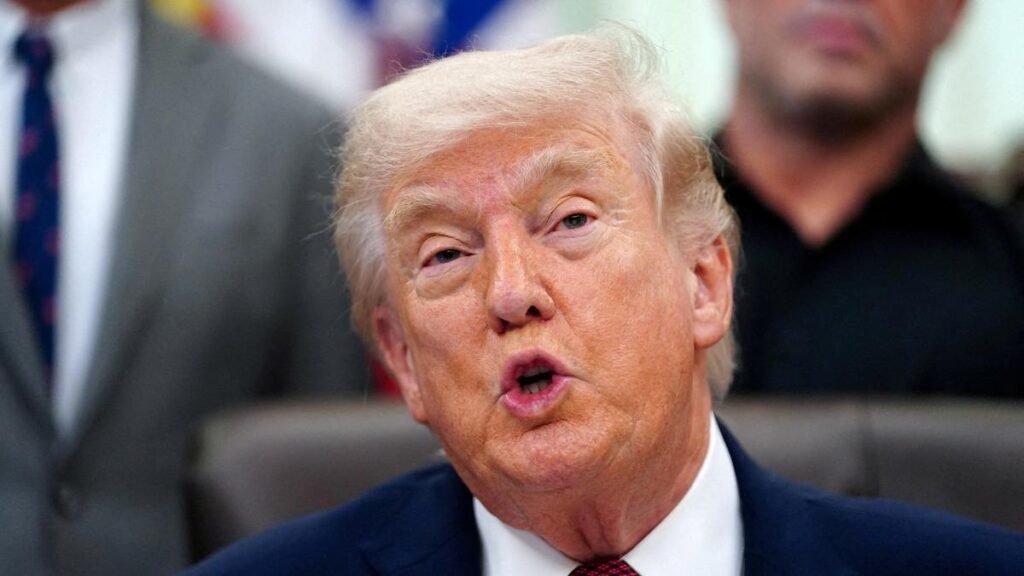
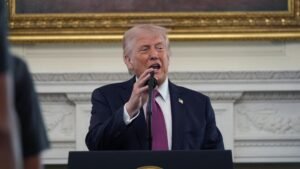
The ongoing conflict between Iran, Israel and the U.S. Has reached a point with diplomatic efforts on the verge of collapse. The latest statements from Donald Trump claiming the U.S. Is in a “very strong” position reflect a mix of confidence, pressure tactics and rising military threats.
Here is a detailed explanation of whats happening why it matters and what could happen next.
* **Background of the Conflict**
The current crisis is part of an escalation involving Iran, Israel and the United States. This conflict did not start overnight. It evolved from standing hostility between Iran and Israel U.S. Concerns over Irans nuclear program and proxy conflicts across the Middle East.
In 2025-2026 tensions escalated into military confrontation, including airstrikes on Iranian nuclear and military sites Iranian retaliation targeting U.S. Allies and naval clashes in the Strait of Hormuz. A temporary ceasefire was negotiated in April 2026. It is now on the verge of collapse.
* **Trumps “Very Strong Position”. What It Means**
President Trumps statement that the U.S.’s in a “very very strong” position is not just rhetoric; it reflects real strategic leverage. The key reasons behind this claim are:
* **Military Superiority**: The U.S. Has deployed forces and enforced a blockade on Iranian shipping. It has already conducted targeted strikes. Trump has warned that if talks fail “bombs will go off.”
* **Economic Pressure**: Iran faces sanctions and war-related economic stress. Oil exports and trade routes are disrupted.
* **Strategic Control of Trade Routes**: The U.S. Has taken steps in the Strait of Hormuz including seizing ships. This directly affects oil supply.
* **Diplomatic Leverage**: Talks are being planned in Pakistan. The U.S. Is dictating terms and timelines.
In short Trump is signaling that Iran has more to lose if negotiations fail.
* **Accusations of Ceasefire Violations**
A major issue now is mistrust. The U.S. Accuses Iran of violating the ceasefire ” times ” with allegations including attacks on vessels and aggressive naval actions. Iran counter-claims that the U.S. Naval blockade itself is a violation and that the seizure of ships is “piracy.”
This creates a deadlock with each side blaming the other and neither wanting to appear weak.
* **Ceasefire on the Brink of Collapse**
The ceasefire was meant to pause fighting for two weeks. Is now about to expire. Trumps stance is that he does not want to extend it saying there is “not time” for a deal and indicating readiness to resume war. Iran refuses talks under pressure. Demands an end to the blockade and respect for sovereignty.
The result is a race against time where diplomacy may fail.
* **Threat of Renewed War**
Trump has issued warnings that if no deal is reached there will be a massive bombing campaign, potentially targeting infrastructure, power plants and bridges. Iran has responded with threats to reveal ” battlefield capabilities” and possible escalation in missile strikes and maritime disruptions.
This means the next phase could be more destructive than before.
* **Role of the Strait of Hormuz**
The Strait of Hormuz is central to the crisis. 20% Of global oil passes through it and any disruption could lead to a global economic shock. The current situation is that Iran has restricted movement of ships and the U.S. Is enforcing control leading to rising oil prices and market instability.
This is not a regional issue; it affects the entire world economy.
* **Internal Situation in Iran**
Iran is facing challenges, including leadership instability after major attacks, an economic crisis due to war and sanctions and political divisions on how to respond. According to reports a new leadership structure is emerging, with hardliners versus moderates divided on negotiations.
This affects Irans negotiating behavior with some wanting compromise and others wanting escalation.
* **Global Impact**
The conflict has global impacts:
* **Economic Effects**: Oil prices are rising stock markets are volatile and trade disruptions are occurring.
* **Humanitarian Impact**: The UN warns that war spending is massive and funds are being diverted from aid.
* **Regional Instability**: There is a risk of a Middle East war and involvement of other countries.
* **Why Talks Are So Difficult**
Negotiations are failing due to:
1. **Lack of Trust**: Both sides accuse each other of violations.
2. **Timing Pressure**: The ceasefire deadline is too close.
3. ** Goals**: The U.S. Wants nuclear restrictions and control while Iran wants sanctions lifted and sovereignty.
4. **Military Posturing**: Both sides are negotiating while preparing for war.
* **Possible Future Scenarios**
Several scenarios are possible:
* **Scenario 1: Successful Deal**: Ceasefire extended, de-escalation and oil markets stabilize. This is the likely scenario right now.
* **Scenario 2: Limited Conflict Resumes**: Airstrikes restart naval clashes continue,. No full-scale war. This is the likely short-term outcome.
* **Scenario 3: Full-Scale War**: U.S.-Israel strikes, Iranian retaliation across the region and a global crisis. This is the worst-case scenario.
* **Scenario 4: Prolonged Standoff**: No deal, no war but ongoing tensions and sanctions.
* **Key Takeaways**
The key takeaways are that Trumps “strong position” reflects economic leverage the ceasefire is fragile and likely to collapse and both sides accuse each other of violations. Talks are uncertain. May fail, with a high risk of major escalation.
The current situation is one of the dangerous geopolitical crises in recent years. Trumps aggressive stance, combined with Irans resistance has created a high-stakes confrontation where diplomacy and war are happening simultaneously.
The coming days are crucial. If talks succeed stability may return. If they fail the world could see a Middle East war, with global consequences.